Pest control in San Mateo, CA
Ants in the kitchen, droppings in the garage or roaches at night? Call to ask for pest help at your San Mateo home and find out what happens next.
Placeholder number. Calls are not active.
Choose your pest
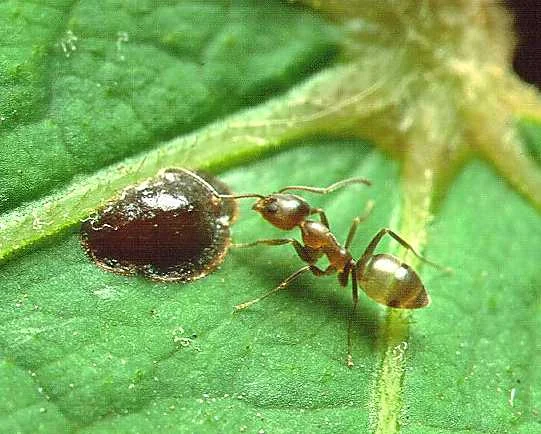
Ants
Trails on counters, sinks, windowsills and pet bowls.
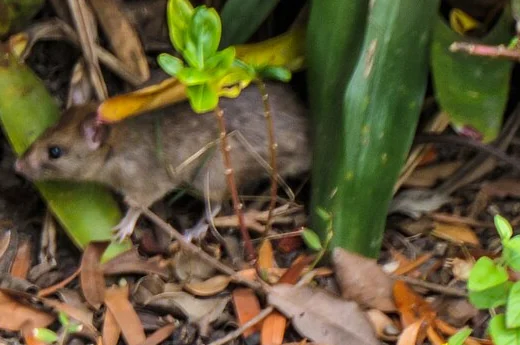
Rats and mice
Droppings, gnaw marks and noises in walls, ceilings or the attic.
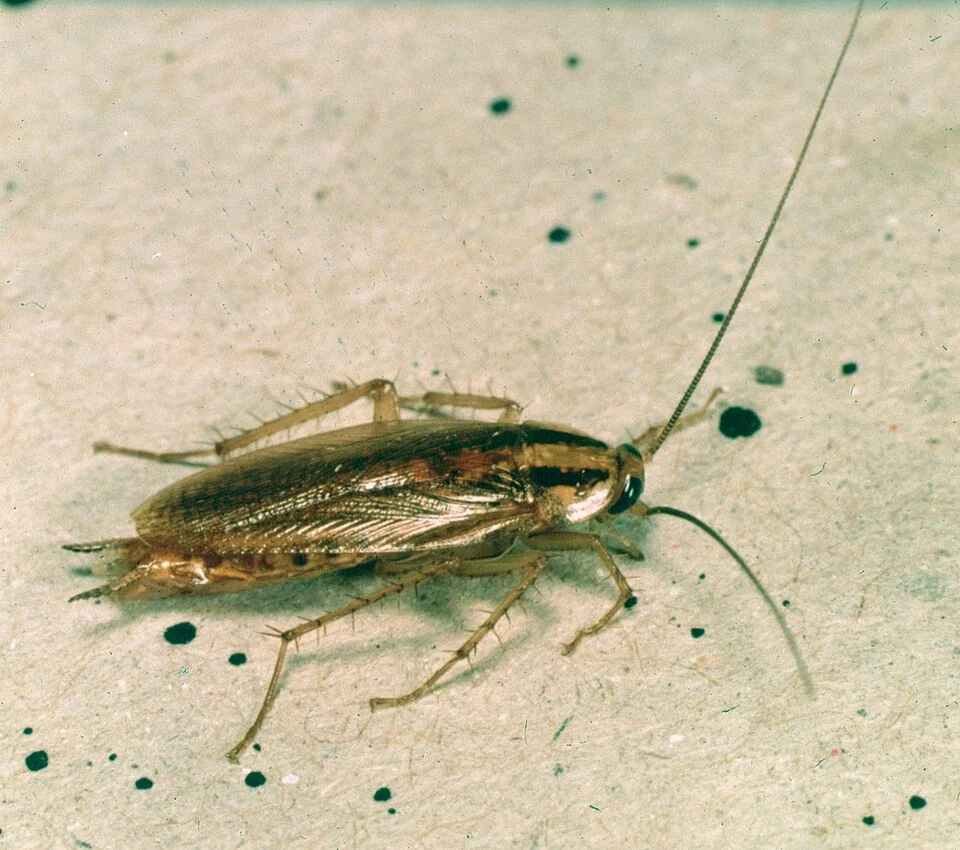
Cockroaches
Roaches in the kitchen or bathroom, most often after dark.
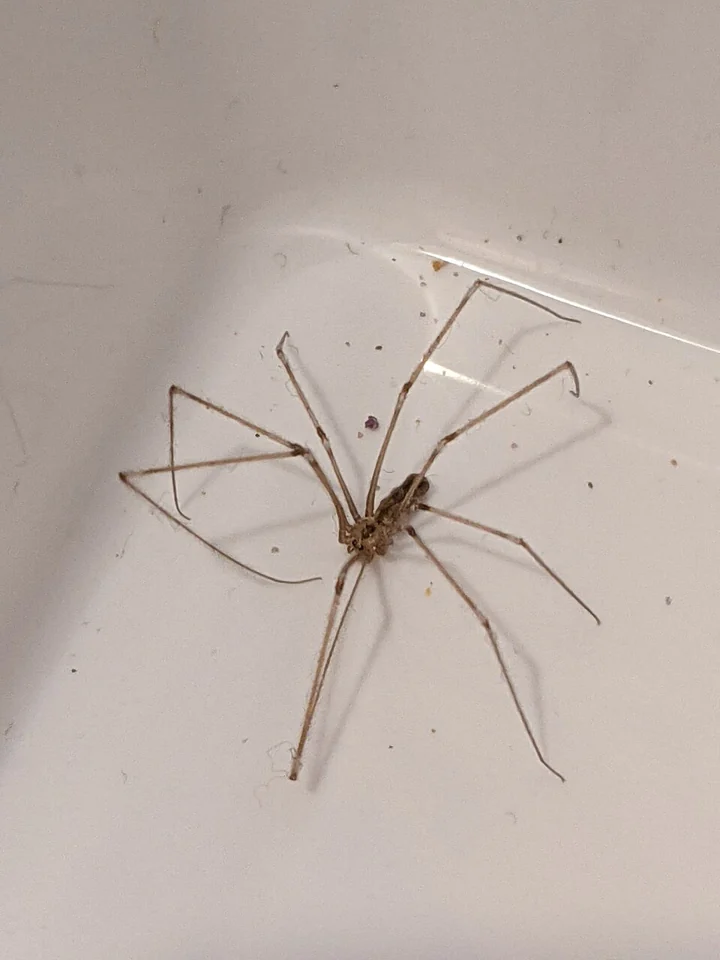
Spiders
Webs and spiders in garages, corners, eaves and crawl spaces.
Pest problems in San Mateo homes
Homes in San Mateo sit close to gardens, creeks, fruit trees and shared walls. The pests that bother people here are the same ones found across much of California. Whether you live downtown, in Baywood or near Shoreview, the first steps are the same. Figure out what pest you have, find where it gets in, and decide what to do about it.
Ants often turn up in kitchens. UC IPM says the Argentine ant is the most common ant in and around California homes. Ants often move inside when the weather changes or their food outside runs low.
Rats and mice look for food and shelter in garages, attics and crawl spaces. The San Mateo County Mosquito and Vector Control District says any gap wider than a quarter inch could let a rodent in. Sealing those gaps is the first part of rodent control.
Cockroaches hide in warm, damp spots near kitchens and bathrooms. UC IPM says the German cockroach is the most common indoor roach in California. The type of roach matters because the best control steps differ.
Spiders follow the insects they eat. Most spiders are harmless and even helpful. Many spider problems can be solved by removing webs, clutter and gaps, without any treatment.
Seeing one bug does not always mean a big problem. A pest professional can look for signs and tell you what they find.
What to have ready when you call
A few details make the call shorter and help a pest professional understand the problem.
- What you are seeing, and where in the home you see it.
- When you first noticed it, and the time of day you see it most.
- Whether the problem is inside, outside or both.
- The type of home, such as a house, condo or apartment. If you rent, whether your landlord knows.
- Pets, young children or health concerns in the home, so you can ask about product choices.
- A photo of the pest or the signs, if you can take one safely.
- Days and times that work for a visit.
How cost is decided
This site does not list prices. The provider who takes the job sets the price, and it can depend on what they find. These things often affect a quote.
- The type of pest and how much activity there is.
- The size of the home and how many areas need attention.
- Whether entry points need to be sealed or repaired.
- Whether more than one visit is needed.
- How easy it is to reach crawl spaces, attics and the yard.
Before any work starts, ask for the price, what it covers and whether return visits are included.
Common questions
Who will I talk to when I call?
Calls may connect you with an independent pest service provider. That provider sets its own services, prices and schedule. The number currently shown is a placeholder and the phone line is not active yet.
Do I need to know what pest I have?
No. Describe what you see and where. A photo or a few notes help a pest professional figure it out.
Is there anything I can do before a visit?
Clean up food and spills, store food in sealed containers and fix leaks if you can. UC IPM advises against foggers and bug bombs for roaches. It also says indoor sprays will not stop more ants from coming in.
Does one bug mean a big problem?
Not always. One spider or one roach does not tell you much on its own. A pest professional can check for signs of more activity.
Ready to ask for pest help?
Have your notes and a photo ready, then call.
Placeholder number. Calls are not active.